The title you bestow upon your book will determine whether or not a potential reader…reads past it. An uninteresting, poorly composes title will keep the reader – otherwise known as a buyer – moving right along, to other, better titled books.
Your title must give some indication about what the books is about, but it has to do much more than that. It has to be intriguing. It has to pique curiosity. It has to be like a siren song that draws the right readers to what you’ve written.
What do I mean by “right readers”?
Some writers delude themselves into thinking that literally everyone will be enthralled by what they’ve written. That is never the case. Readers have specific preferences. Someone who has bookshelves full of nonfiction tomes about military history and owns not one single book about vampire erotica (yes, that actually is a category) will not be interested in your book about vampire erotica. Don’t waste time on trying to lure that person in by trying to craft a title they’ll like.
Whatever it is you’ve written, whether it’s nonfiction or fiction, stage plays or poems, essays or graphic novels, there are readers for it. Your title has got to alert them to your work’s existence. Make them excited about it.
Start by studying the titles of other books in your category, especially the ones that are selling well. Are there words or phrases that are used in book after book? Pay attention to that. Book buyers use keywords and phrases when looking for something new to read. You will want to put your own spin on how keywords are used, of course, but keep the popular ones in mind as you compose your title.
As I mentioned earlier, your title should be intriguing in some way. I’ve written a number of stage plays. I decided to pull monologues from them and publish them as a separate book, entitled, Monologues for Actors (that directors aren’t sick of hearing). The title starts out fairly straightforward, then veers into more unexpected territory. Actors who are looking for monologues to use during auditions will get it. Using monologues that are not overly used may cause directors to pay more attention to them.
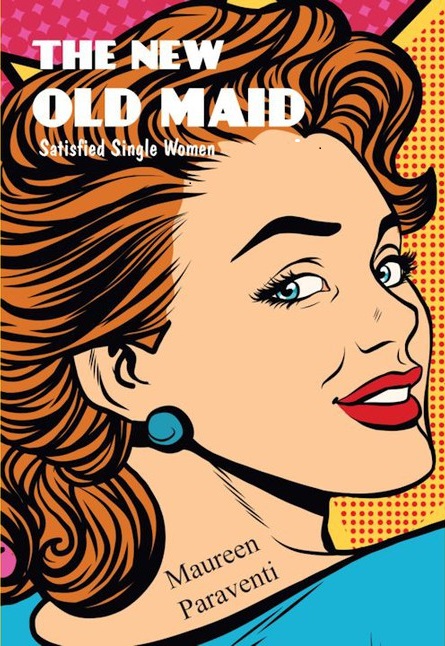
Some examples
The Rosebud Burglar: a Victorian Romance starts with two words that don’t seem to go together – to provoke curiosity – and follows them up with a description that makes the genre clear (a Victorian Romance). A nonfiction book I wrote has a title that includes a negative stereotype: The New Old Maid: Satisfied Single Woman. But wait! The word “New” signals that something is different about this book. Then “Satisfied Single Women” adds to that perception: something really is different. (And it is! I interviewed never-married women from all over the U.S. and all walks of life and found that they are leading happy, fulfilled lives.)
There’s no shame in click bait
So make your title so interesting that readers/buyers keep reading, and get to the brilliant description of synopsis you’ve written for your book. Make your title shameless click bait. Also- keep it fairly short. Customers are more likely to skim right past titles that are more than 60 characters in length.

 Write Like a Badass